Garden in the South
LOCATION
Southern Bulgaria
AREA
3800 sq.m.
YEAR
2021
Located in Southern Bulgaria, this private garden creates a seamless transition between indoor and outdoor space, tailored to the scale of the property.
The landscape works with broad masses of plants, clear zones for movement, and intimate places to stay - a structure that brings privacy, depth, and a seasonal character.
01
Design Concept
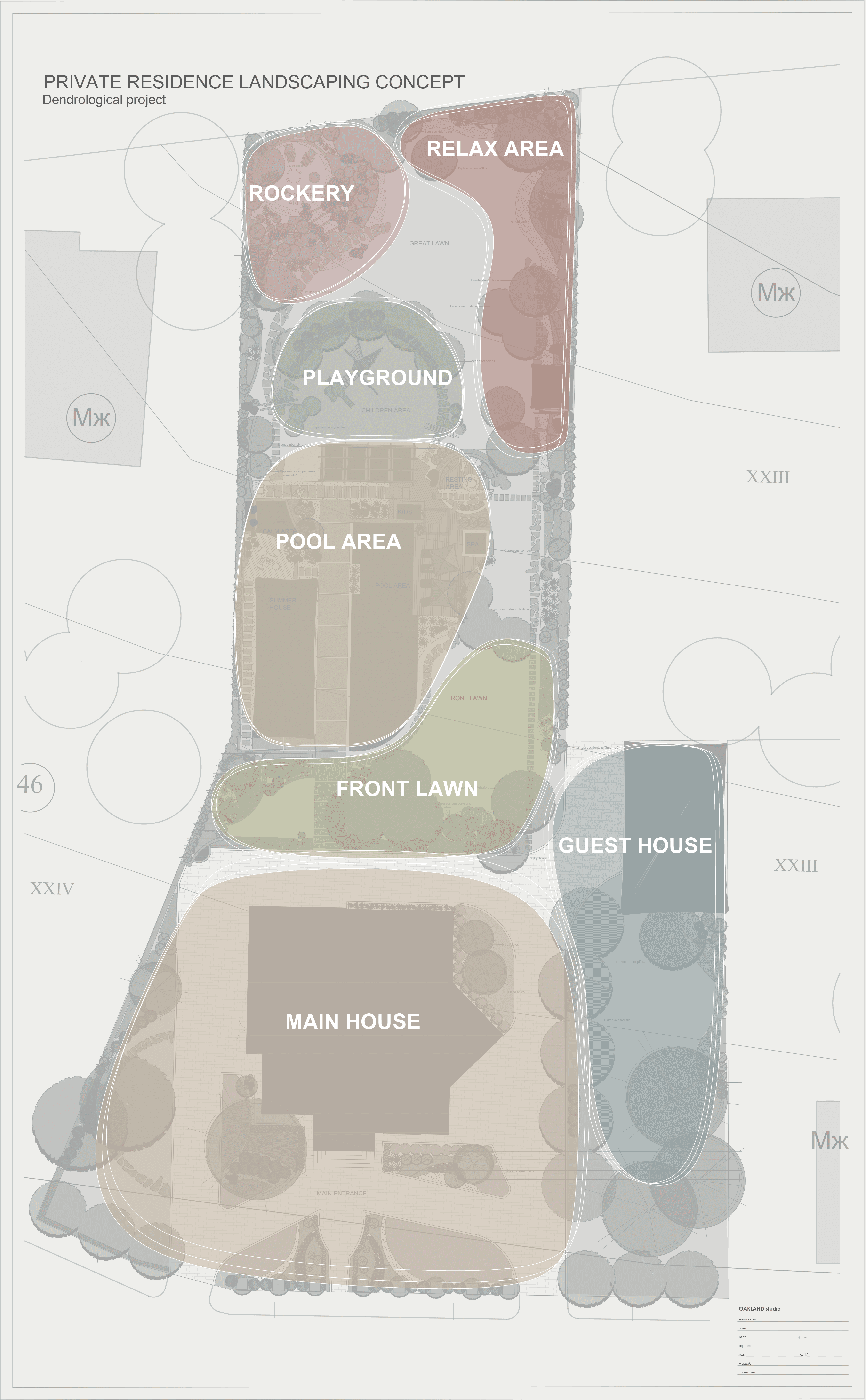
The garden is organized into zones with distinct characters.
Two approaches are used in the project - a more formal one in the front and a freer one in the depth of the property.
The space flows seamlessly between them, maintaining its integrity
02
Spatial Structure
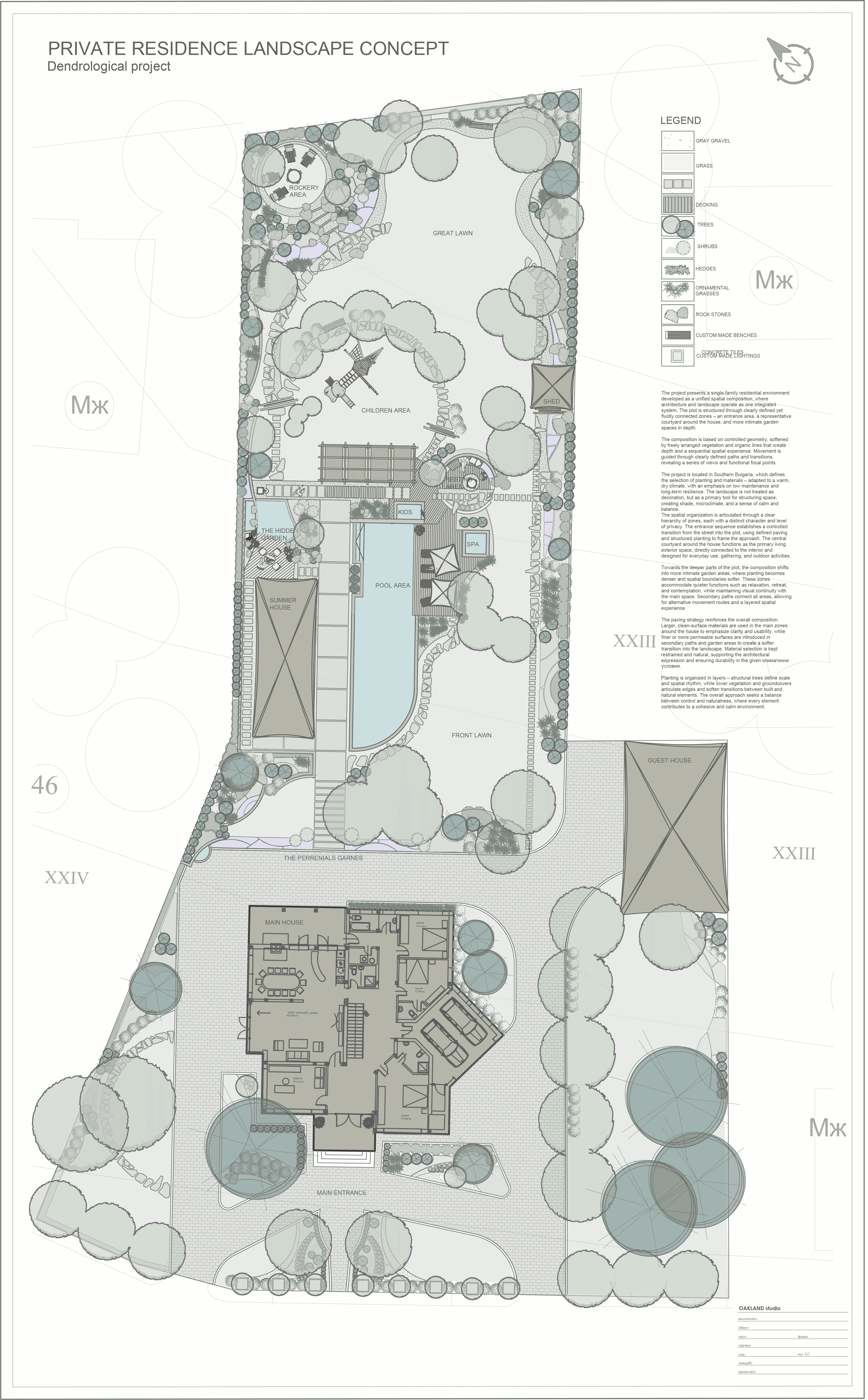
The layout follows the main spatial logic of the site.
The house sits in an open zone, where the garden transitions into a front lawn, pool, kids' area, and quiet northern pockets.
The guesthouse occupies a separate peripheral sector.
The focal point is the pool and summer living area, leading into calmer, private parts of the landscape.
03
Design Approach
The design is tailored to the scale of the property and its way of use - the garden is organized into zones with distinct characters.
The accents are few but precisely positioned. Instead of repeating, they mark individual points and create depth.
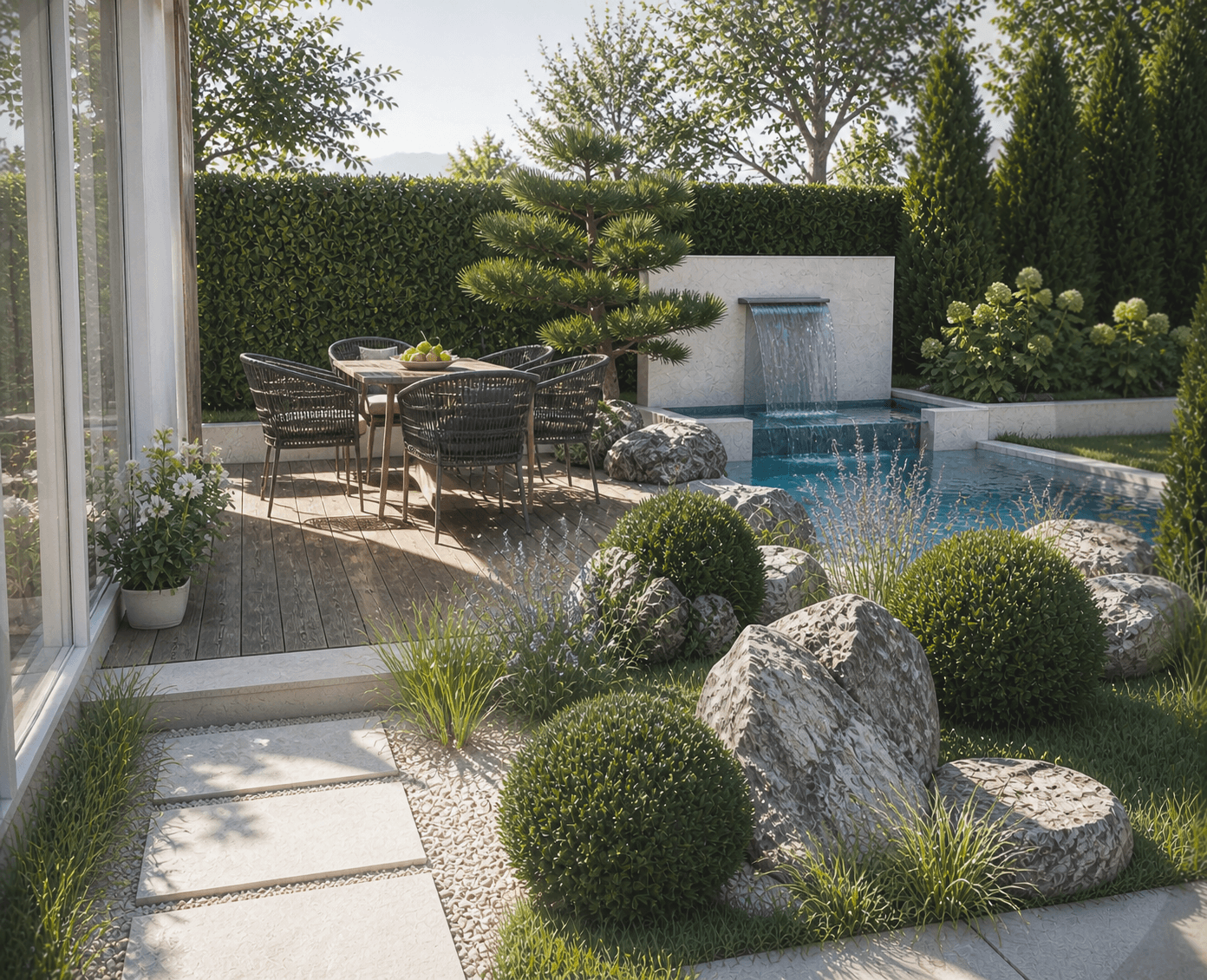
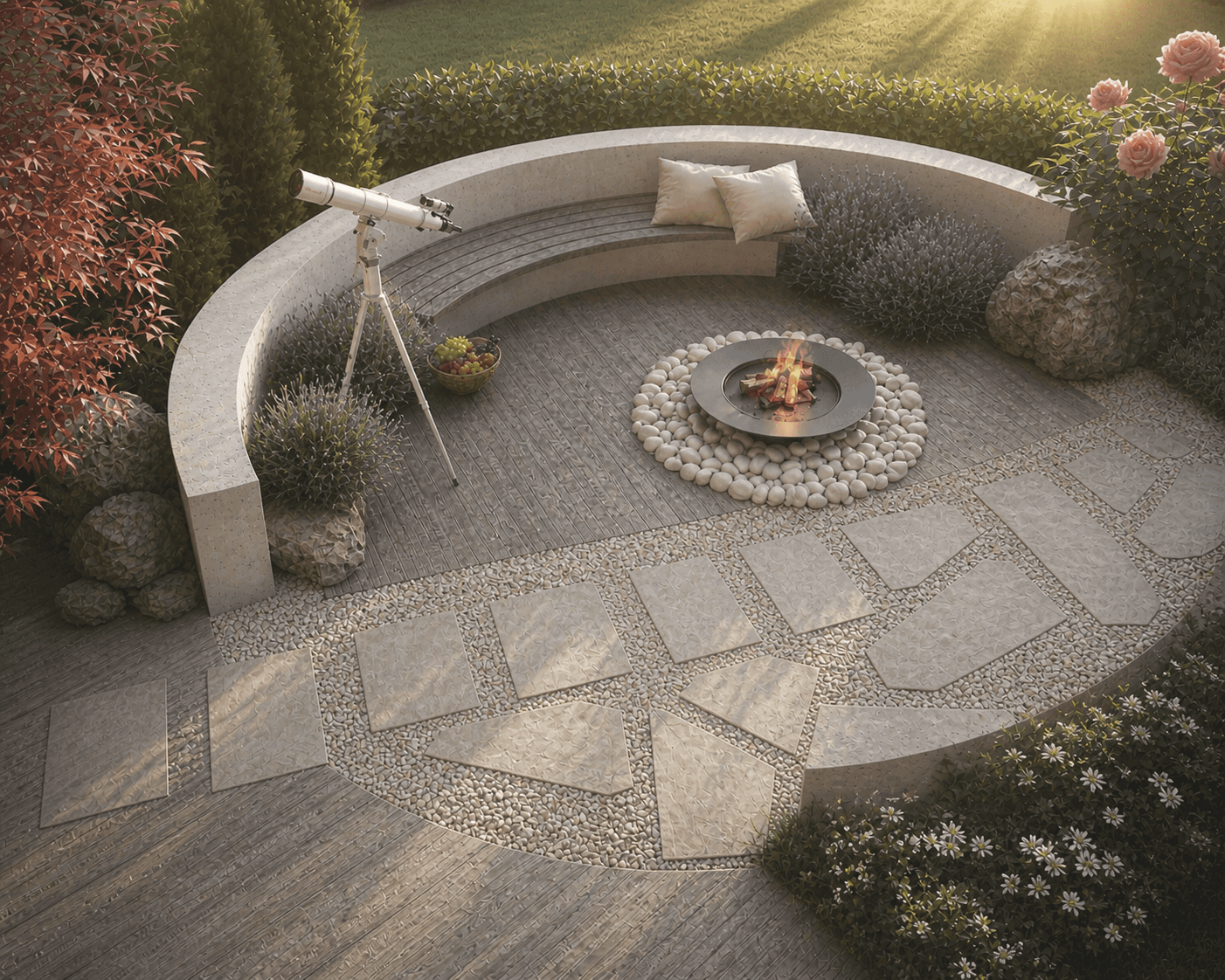
The zones are arranged to allow different ways of use - from more active to more intimate, without sharp division.
The areas reveal themselves gradually and offer choice, without competing with one another.
04
Plantings
Plants are at the core of the concept and define the character of the space. We use species that build clear volumes, architectural structure, and depth.
The selection is tailored to the warm and dry climate of the area. Resilient plants maintain their structure under strong sun and limited moisture, while more intensive planting is concentrated in zones with additional irrigation.
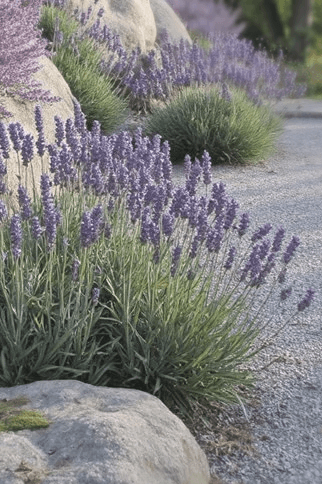
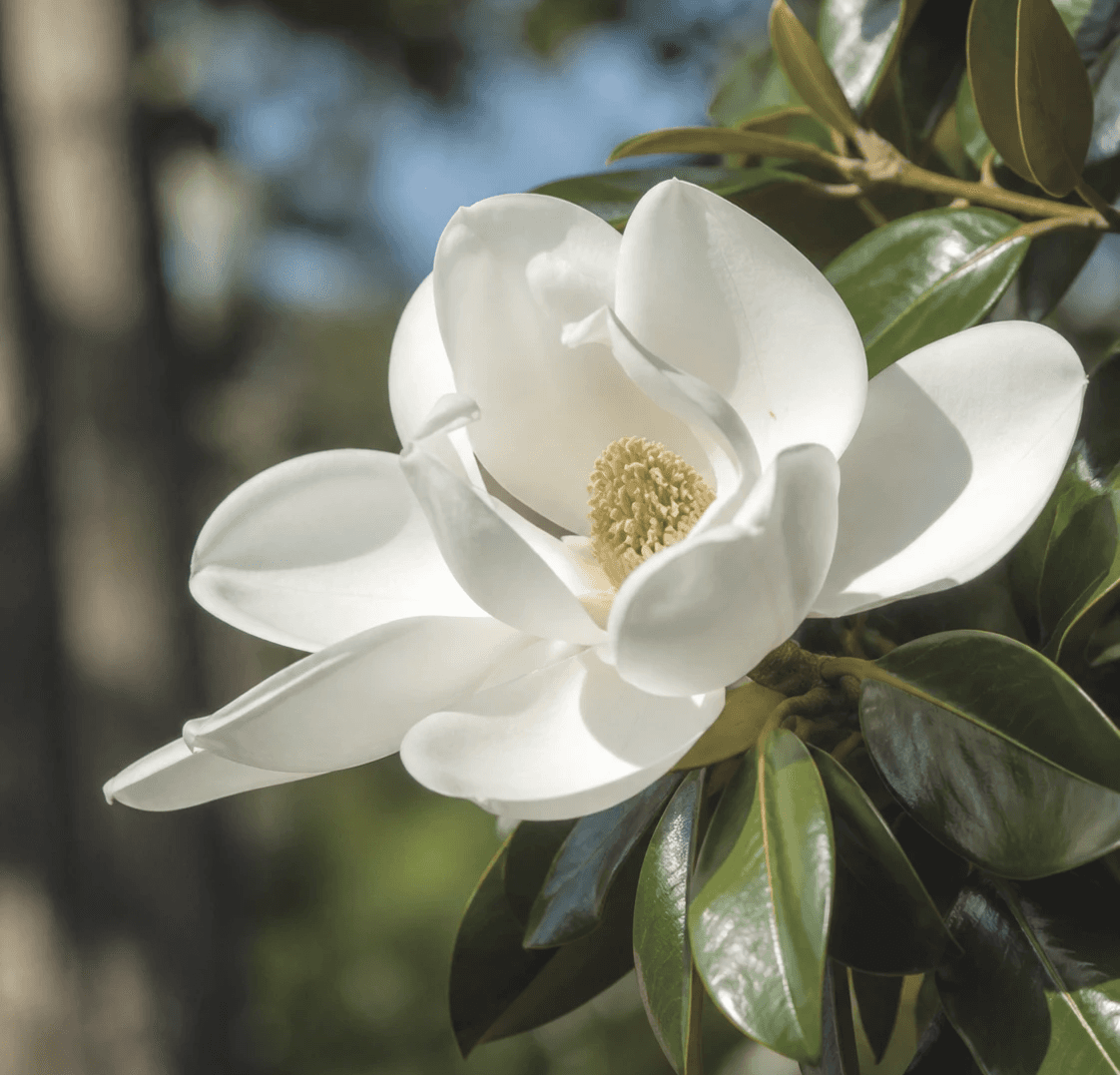
Focal points are precisely placed - Japanese maples, olive trees, cypresses, evergreen magnolia, shaped topiaries, and bonsai.
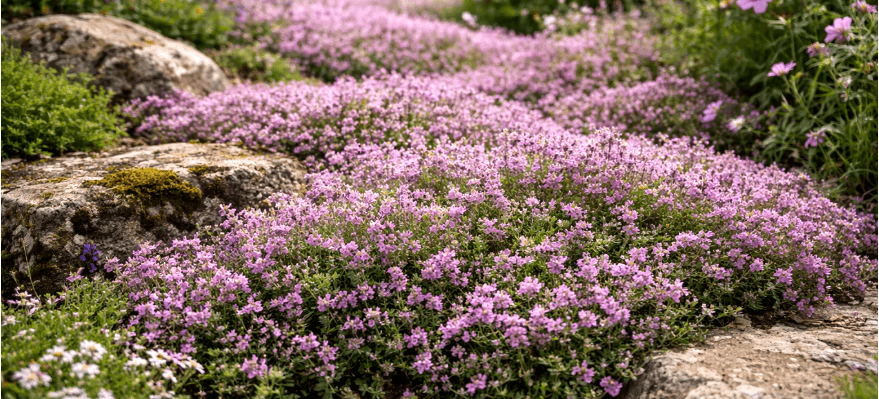
The rock element is treated as a drought-resistant garden with a natural feel, shaped through stone and low, adaptive plants.
Trees are a primary tool for building volume in the garden. We arrange the trees in groups that create layers, air, and depth.
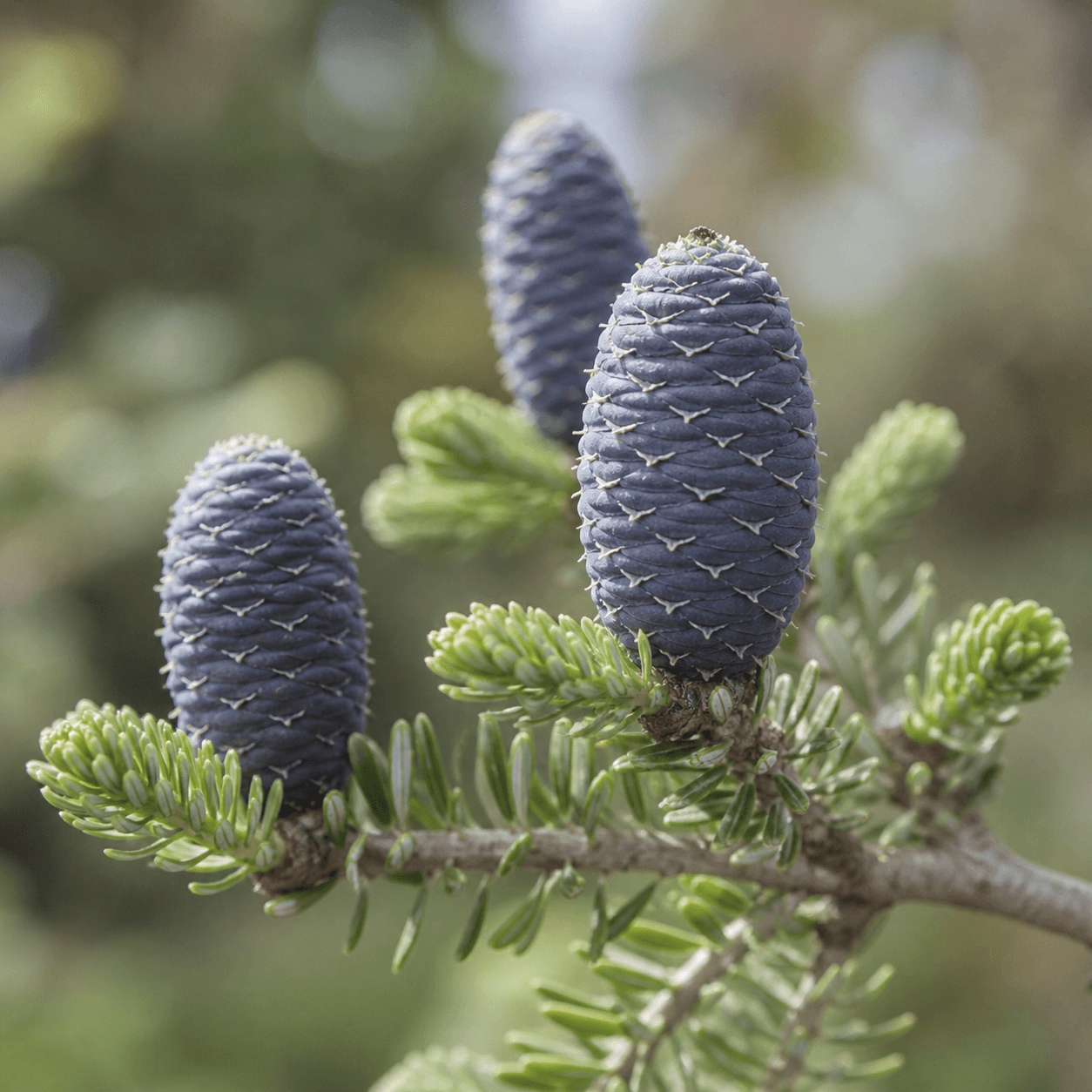
We use the potential not only of the foliage and the crown shape, but also of details like blossoms, fruit, and cones - elements that bring seasonal change and a richer sensory experience throughout the year.
05
Architectural Elements
The architectural details are built as an organic element of the environment.
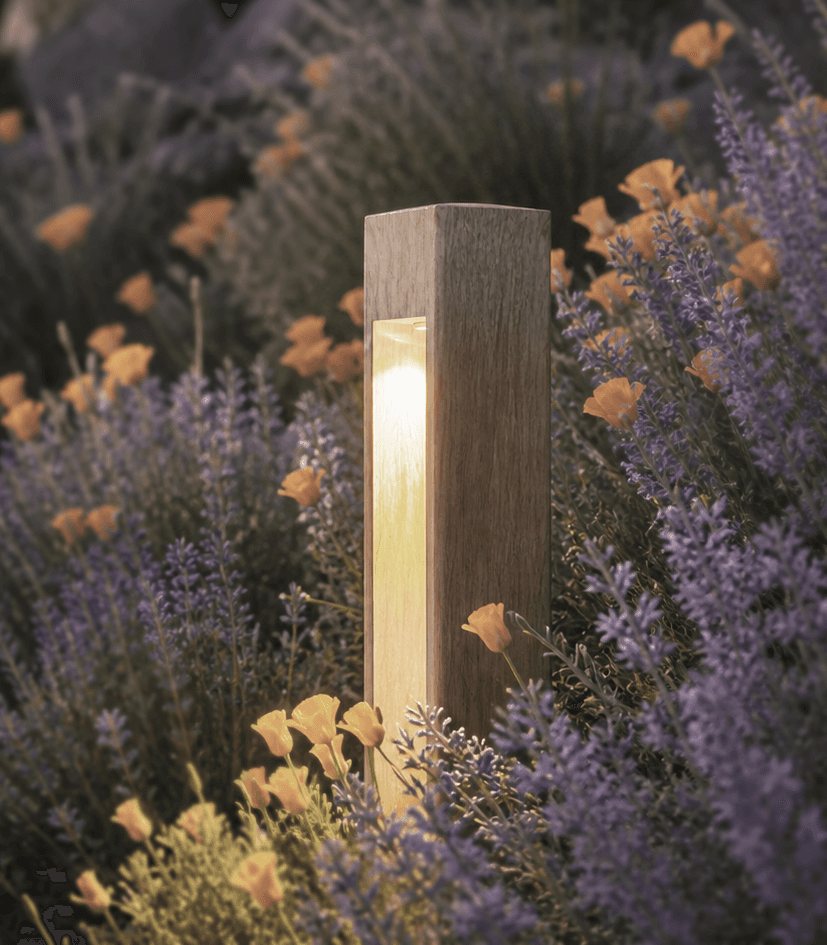
The benches and lighting are designed specially for the site using wood and stone, in complete sync with the overall character of the landscape.
06
Pavings
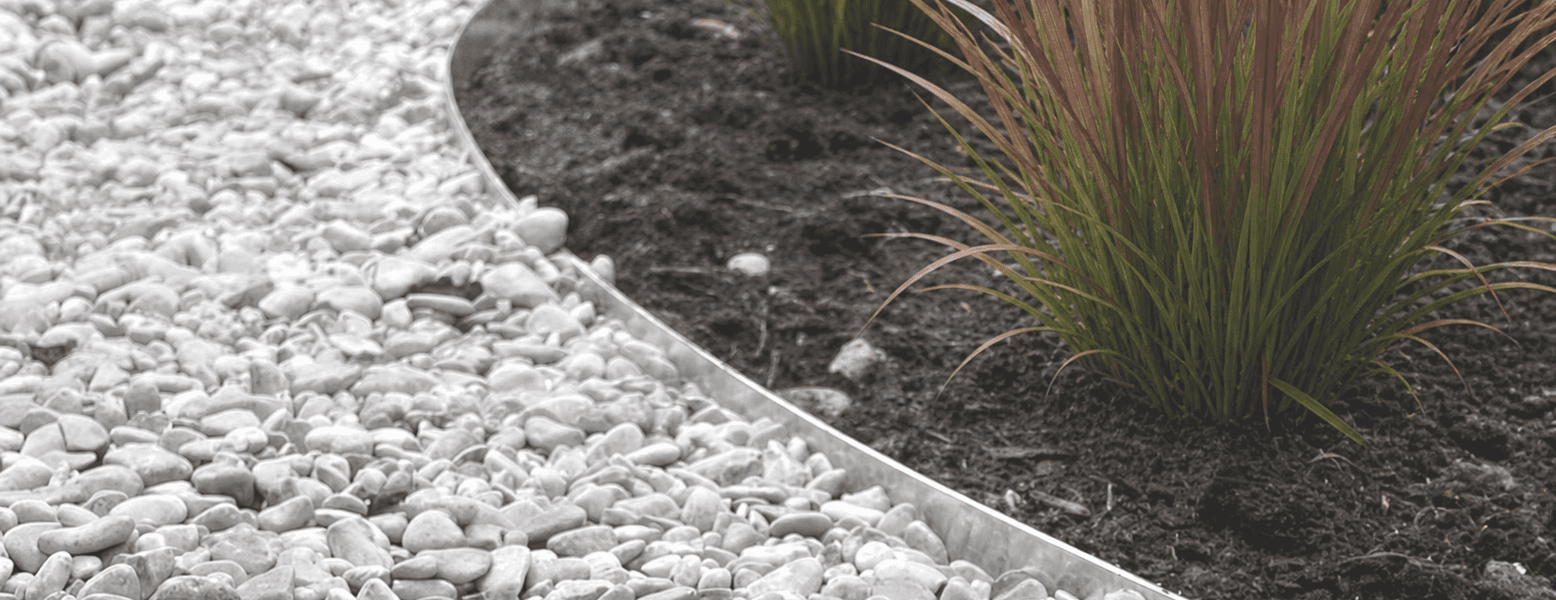
The approach to the paths is restrained - they exist without dominating, complementing the space. Paving surfaces combine wood, natural stone, gneiss, and aggregates, binding separate zones into a clean, unified structure.
Working on this project was a challenge and a pleasure for our team. The scale allowed us to think in totality, while the detail let us determine the precise feeling and purpose of the space.