Landscape for Architecture
Landscape for Architecture
We design landscape as an architectural element - not as decoration, but as structure.
We apply the same precision to terrain, light, and materials as we do to walls and volumes. Every intervention is reduced to the essential. Silence, proportion, and longevity define every decision.
We design landscape as an architectural element - not as decoration, but as structure.
We apply the same precision to terrain, light, and materials as we do to walls and volumes. Every intervention is reduced to the essential. Silence, proportion, and longevity define every decision.

01
01
Planting
Planting
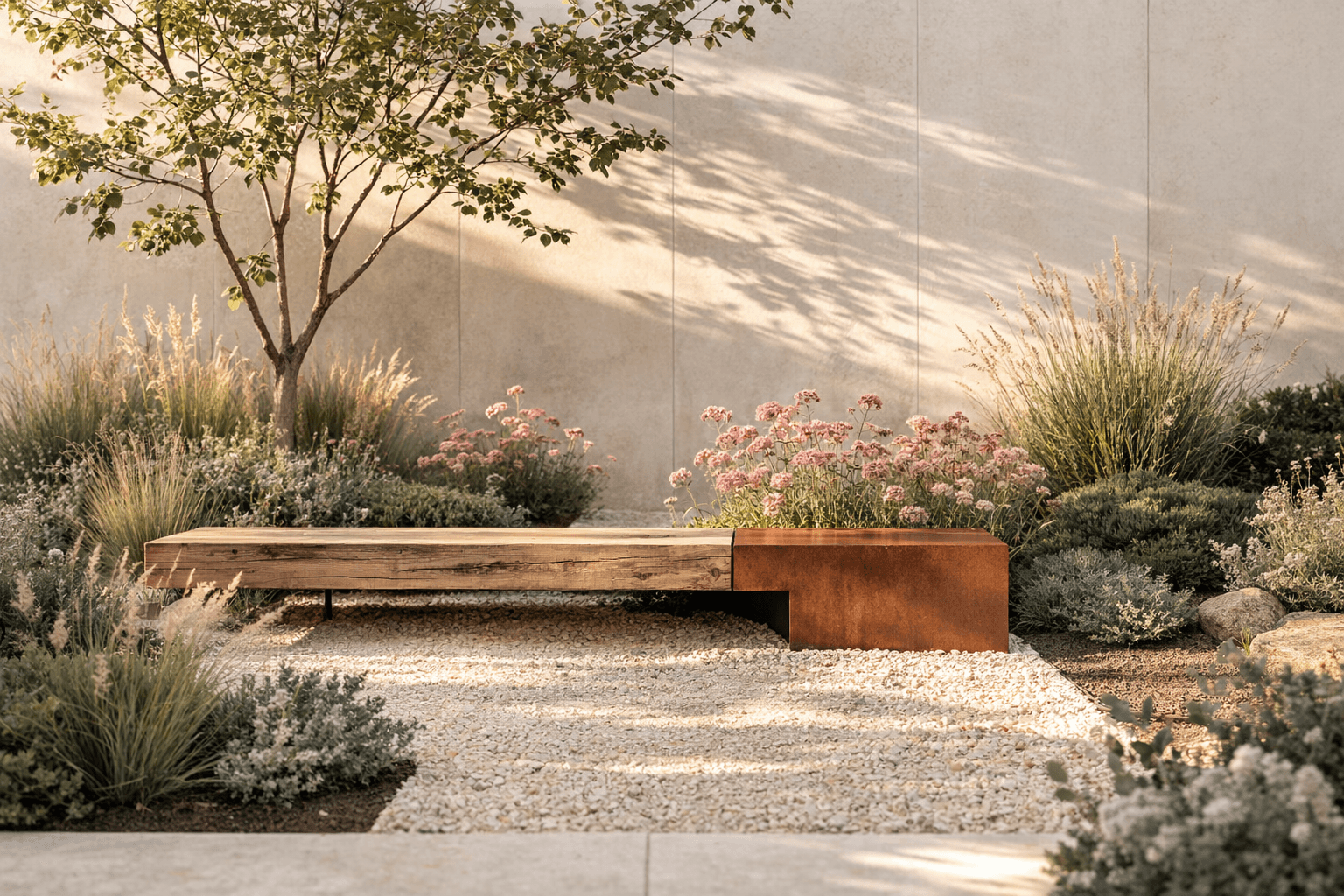
Plantings are the primary architectural tool of the landscape. They shape the space, frame the views, and define its scale.
We work with structure first: mass, rhythm, spacing, and form. Plants are selected for their resilience and presence, rather than a fleeting seasonal effect.
Structure precedes the choice of species. At Oakland Studio, we design plants as a system that evolves over time, emphasizing the clarity of both terrain and architecture.
Spacing, massing, and long-term development are treated as architectural parameters that define the space.
Plantings are the primary architectural tool of the landscape. They shape the space, frame the views, and define its scale.
We work with structure first: mass, rhythm, spacing, and form. Plants are selected for their resilience and presence, rather than a fleeting seasonal effect.
Structure precedes the choice of species. At Oakland Studio, we design plants as a system that evolves over time, emphasizing the clarity of both terrain and architecture.
Spacing, massing, and long-term development are treated as architectural parameters that define the space.

02
02
Terrain
Terrain
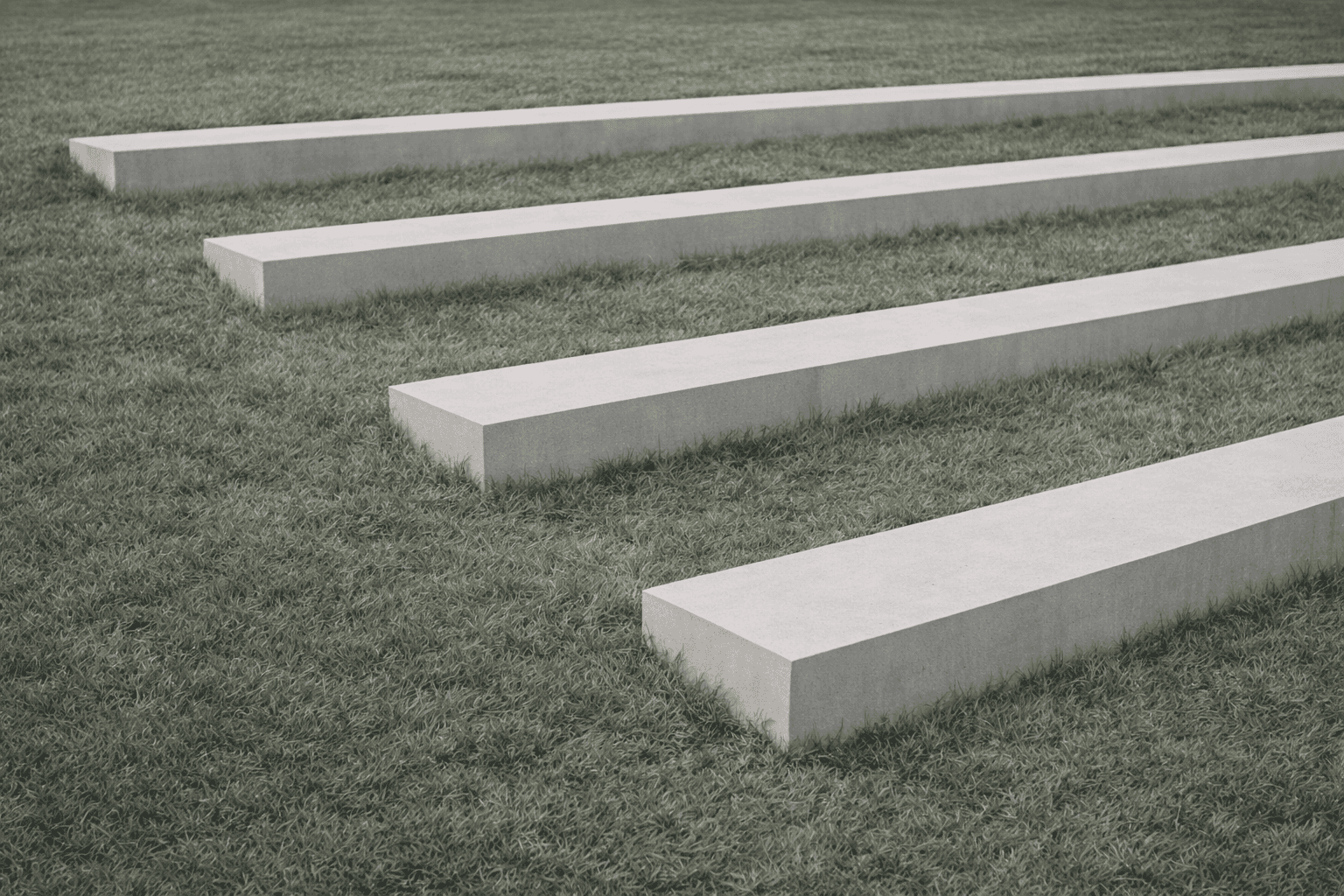
Terrain structures the landscape. It sets the levels, guides movement, and creates orientation. Changes in height, transitions between materials, and precise edges allow the space to connect naturally with the architecture.
In Oakland Studio projects, the terrain organizes the environment, controls proportions, and brings a sense of permanence.
Terrain structures the landscape. It sets the levels, guides movement, and creates orientation. Changes in height, transitions between materials, and precise edges allow the space to connect naturally with the architecture.
In Oakland Studio projects, the terrain organizes the environment, controls proportions, and brings a sense of permanence.
03
03
Water
Water
Water introduces reflection and movement into the space. It alters the atmosphere and amplifies the light. Used with restraint, water brings orientation, stillness, and depth.
Water introduces reflection and movement into the space. It alters the atmosphere and amplifies the light. Used with restraint, water brings orientation, stillness, and depth.

04
04
Light
Light
Light determines depth and shadow. It reveals the material and gives texture to the space.
The environment is built in relation to light - through proportion, orientation, and measure.
Light determines depth and shadow. It reveals the material and gives texture to the space.
The environment is built in relation to light - through proportion, orientation, and measure.

05
05
Materials
Materials
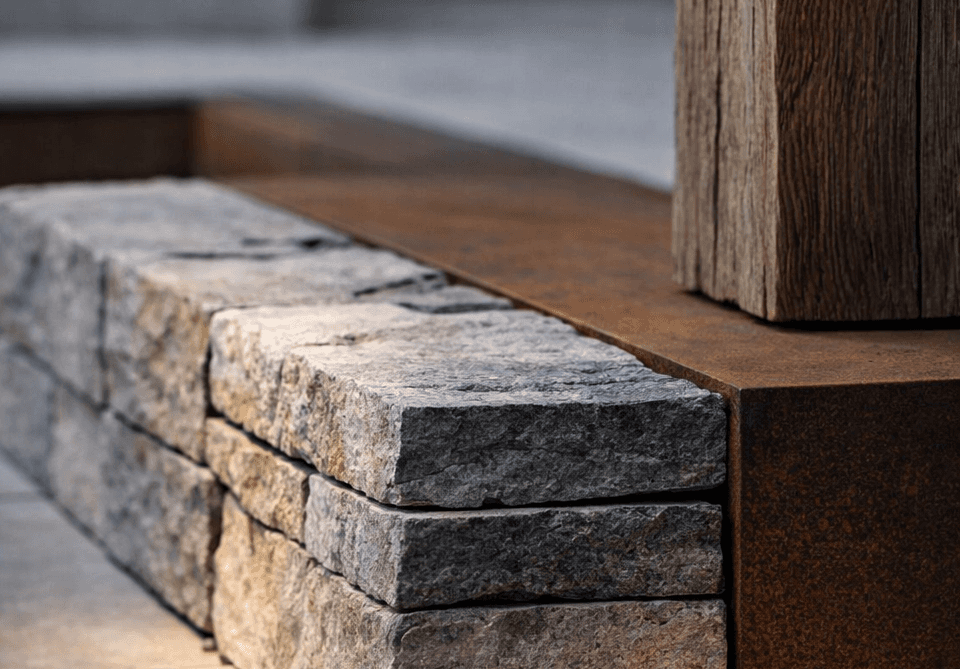
Materials bring structure and clarity to the landscape. Stone, concrete, and wood are chosen for their durability and quiet presence.
Used with measure, they bind the land and architecture into one continuous space.
Materials bring structure and clarity to the landscape. Stone, concrete, and wood are chosen for their durability and quiet presence.
Used with measure, they bind the land and architecture into one continuous space.
For us, landscape is an integral part of architecture, not an addition to it.
For us, landscape is an integral part of architecture, not an addition to it.